


Should You Refinance When Rates Drop? Here’s the Math That Actually Matters

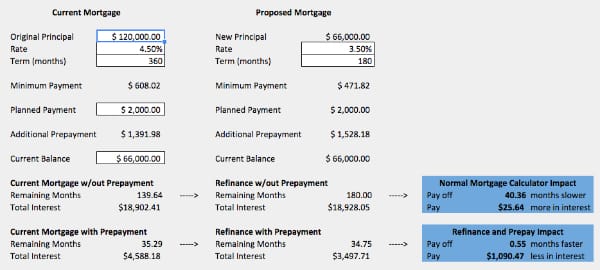

Every time rates dip, the same headlines show up:
“Now is the time to refinance.”
And every time, homeowners ask the same question:
“Should I refinance now, or wait?”
Here’s the truth most lenders won’t say out loud:
A refinance is not automatically smart just because rates dropped.
What matters is the math — and how the refinance fits into your long-term plan.
Let’s break it down in plain English.
The #1 Mistake People Make With Refinancing
Most people decide to refinance based on monthly payment savings alone.
That’s a mistake.
Yes, lowering your payment can help cash flow — but a refinance also:
-
Adds closing costs
-
Often resets your loan term
-
Can increase total interest paid over time
A lower payment does not automatically mean a better deal.
The Only Question That Actually Matters: Breakeven
Before refinancing, you need to know your recoup (breakeven) period.
That’s simply:
Closing costs ÷ monthly savings = months to break even
Example:
-
Closing costs: $6,000
-
Monthly savings: $200
-
Breakeven: 30 months (2.5 years)
If you sell or refinance again before that point, the refi didn’t really help you.
As a general rule:
-
Under 24–36 months → worth serious consideration
-
Over 36 months → usually not worth it unless there’s another benefit
“No Out-of-Pocket” Doesn’t Mean Free
You’ve probably heard:
“There are no out-of-pocket costs.”
True — but misleading.
Those costs are usually:
-
Rolled into the loan balance, or
-
Covered by a higher rate
Either way, you’re still paying for them, just over time instead of upfront.
That’s why you always want to look at:
-
Total loan balance after refinance
-
Total interest paid over the life of the loan
Not just the new monthly payment.
Watch Out for Term Resets
This one gets people burned.
If you’re 7 years into a 30-year loan and refinance into a new 30-year loan, you just restarted the clock.
That can:
-
Lower your payment
-
Increase lifetime interest by tens or hundreds of thousands
A smarter strategy is often a flex-term option:
-
22-year fixed
-
23-year fixed
-
Or keeping the same payoff timeline
Lower rate without extending the debt.
When Refinancing Does Make Sense
A refinance can be a great move when it does at least one of the following:
-
Shortens your breakeven period
-
Keeps (or shortens) your remaining loan term
-
Removes mortgage insurance
-
Converts risky debt (credit cards, HELOCs) into structured, lower-rate debt
-
Improves both monthly cash flow and long-term interest
If it only solves one short-term problem and creates a long-term one, pause.
What About FHA and VA Loans?
Programs like Federal Housing Administration and Department of Veterans Affairs offer streamline refinance options that can be powerful — but they still follow the same rules:
-
There are still costs
-
There is still a breakeven
-
There can still be term resets
Streamlined doesn’t mean “don’t do the math.”
The Right Way to Decide
Before refinancing, you should always review:
-
Monthly savings
-
Closing costs (real numbers, not estimates)
-
Breakeven timeline
-
Remaining term vs. new term
-
Total interest paid comparison
A refinance should improve both your short-term and long-term position — not just one.
Final Thought
Rates going down is just one input, not the decision.
The best refinance is the one that fits your plan:
-
How long you’ll keep the home
-
Whether you plan to move, rent, or refinance again
-
Your cash flow goals vs. total cost goals