


Why “No-Cost” Refinances Are Rarely Free (And How to Tell If One Actually Makes Sense)
If you’ve ever been told you can refinance your mortgage with “no closing costs” or “no money out of pocket,” you’re not alone. This is one of the most common marketing hooks in the mortgage industry—and one of the most misunderstood.
Here’s the truth:
There is no such thing as a free refinance.
The only question is how you’re paying for it—and whether the tradeoff is worth it.
Let’s break this down clearly.
What a “No-Cost” Refinance Really Means
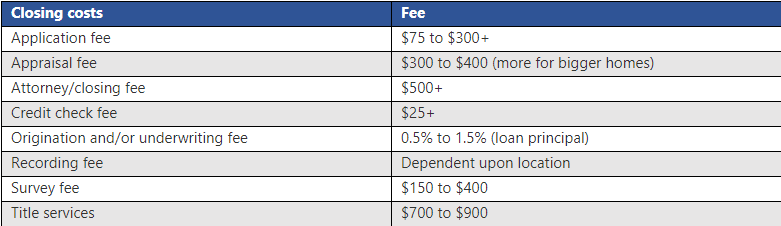
A mortgage refinance always has costs. Appraisal, title, escrow, lender fees, recording fees—they don’t disappear.
When someone offers a no-cost refinance, one of three things is happening:
-
The lender increases your interest rate and uses the extra profit to cover the costs
-
The costs are rolled into your loan balance
-
You’re using a lender credit, which again comes from a higher rate
In all three cases, you’re paying—just not at the closing table.
The Real Cost Is in the Rate
This is where most homeowners get tripped up.
A slightly higher interest rate may only change your payment by $50–$150 per month. That feels small. But over time, it can mean tens or even hundreds of thousands of dollars in additional interest.
This is why focusing only on the monthly payment is dangerous.
A refinance should not be evaluated on:
-
“How much does my payment drop?”
-
“Do I bring money to closing?”
It should be evaluated on:
-
Total interest paid
-
Breakeven timeline
-
Remaining loan term
-
Your long-term plan for the property
The Breakeven Test (Non-Negotiable)
Any refinance should pass a breakeven test.
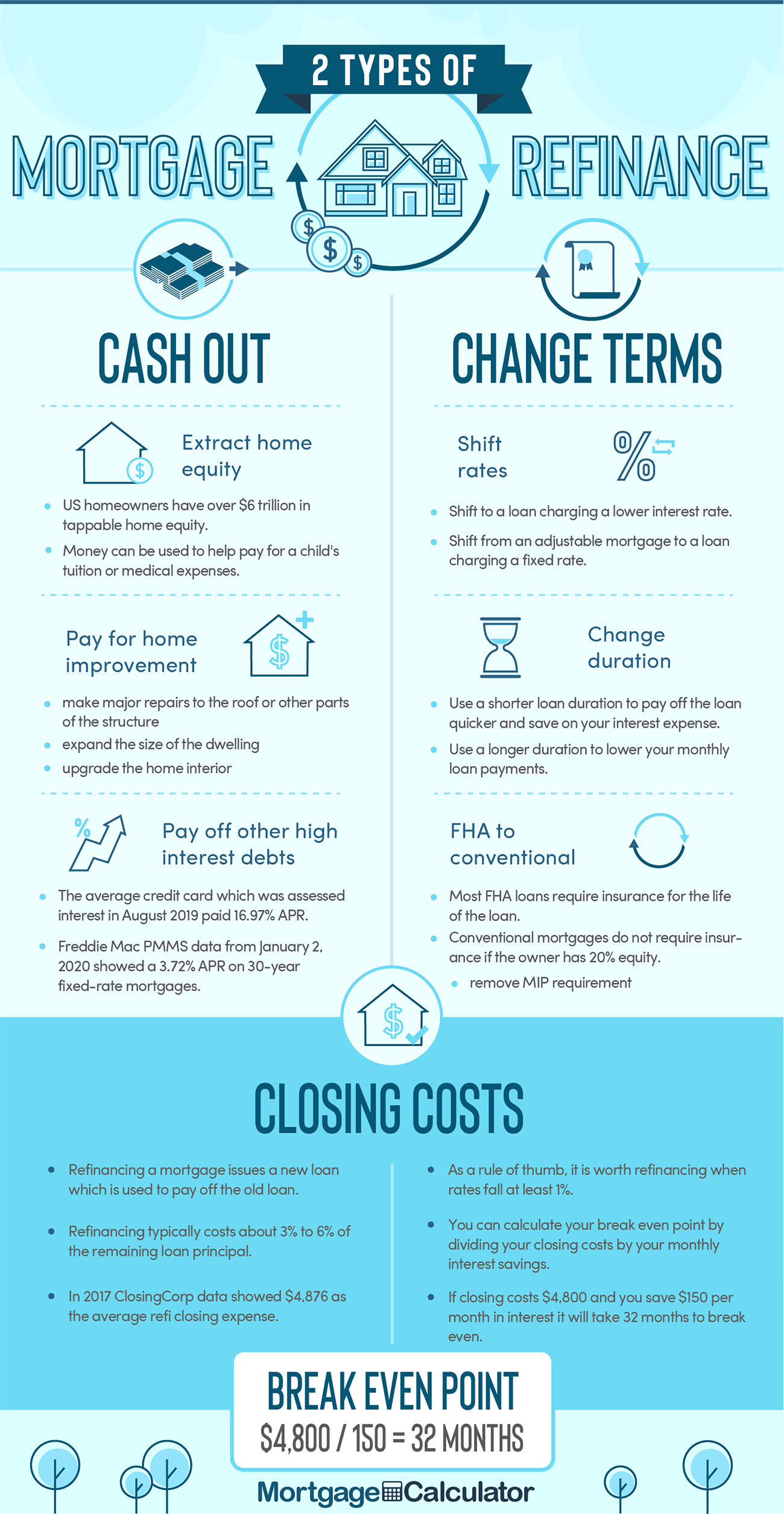
Breakeven =
Total cost of the refinance ÷ monthly savings
If it takes:
-
6–18 months → strong
-
18–36 months → situational
-
36+ months → usually a bad move
If someone cannot clearly show you this math, that’s a red flag.
The Hidden Problem: Restarting the Clock
One of the most expensive mistakes homeowners make is resetting their loan back to 30 years every time they refinance.
You might save money monthly, but:
-
You extend the life of the loan
-
You increase total interest
-
You delay real equity growth
In many cases, a smarter move is a flex-term refinance—keeping your remaining term intact (for example, moving from a 26-year remaining loan into a new 26-year fixed).
This preserves long-term wealth while still improving cash flow.
When a “No-Cost” Refinance Can Make Sense
There are situations where a lender-credit or no-cost structure is logical:
-
You plan to sell or refinance again within a short time window
-
You need temporary payment relief for cash-flow reasons
-
You’re using it as a bridge strategy (not a forever loan)
The key is intentionality.
It’s a strategy—not a default.
The Right Question to Ask
Instead of asking:
“Can I do this with no money out of pocket?”
Ask:
“What does this cost me short-term and long-term—and how long until I’m better off?”
If your loan officer can’t answer that clearly, they’re not advising—you’re being sold.
Bottom Line
A refinance should improve your position, not just your payment.
The best refinances:
-
Reduce total interest
-
Maintain or shorten your remaining term
-
Pass a clear breakeven test
-
Align with your long-term plan
“No-cost” sounds good in marketing.
Smart structure wins in real life.