


Why a Lower Rate Doesn’t Automatically Mean a Better Refinance

Most homeowners think refinancing is simple:
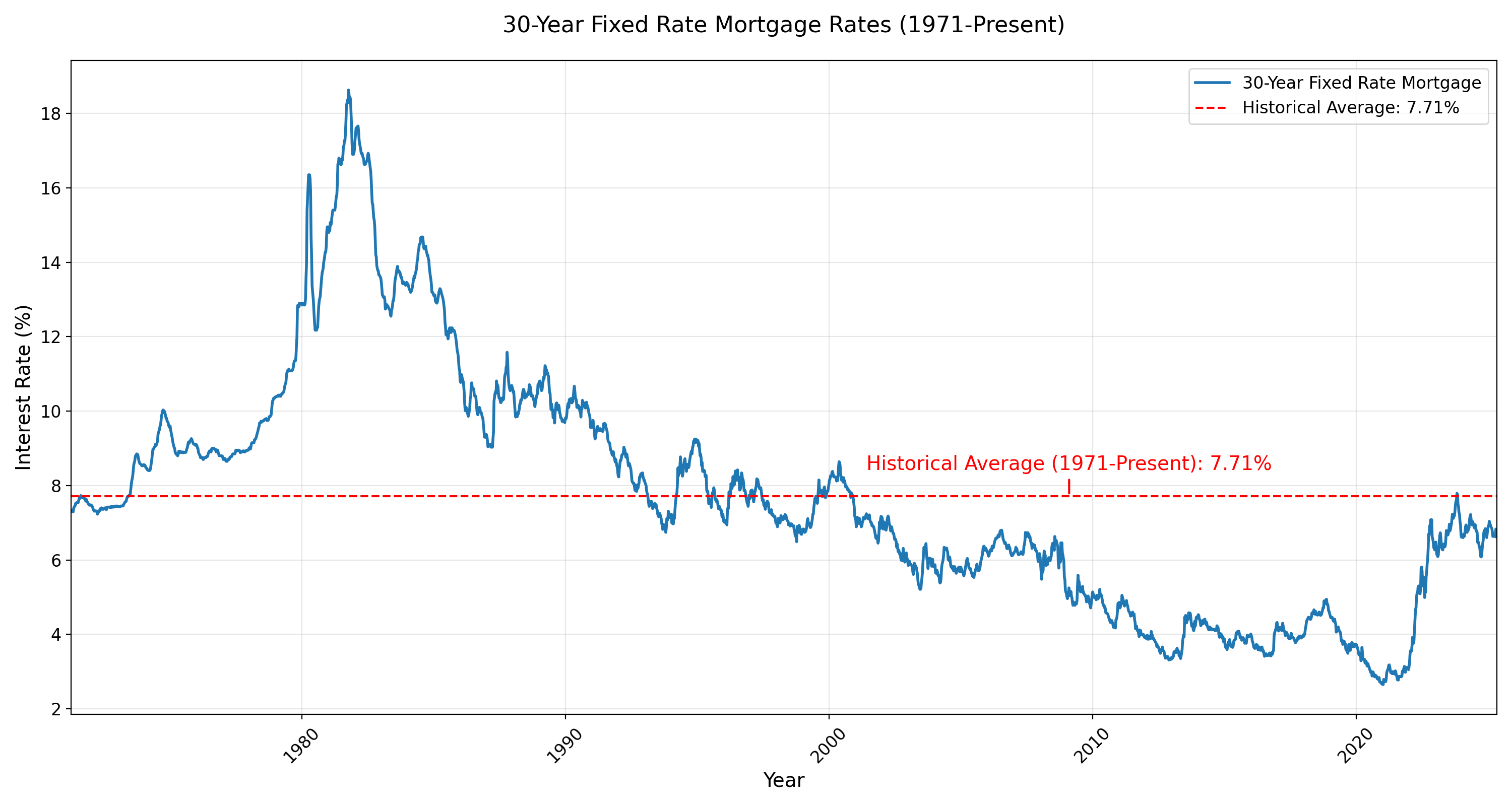
Rates drop → refinance → save money.
That logic sounds right on the surface. But in practice, it’s one of the most common ways people quietly lose hundreds of thousands of dollars over the life of their loan.
A lower rate does not automatically mean a better refinance. In many cases, it just means you reset the clock and pay more interest over time.
Let’s break down what actually matters.
The Real Cost of a Refinance (That No One Explains)
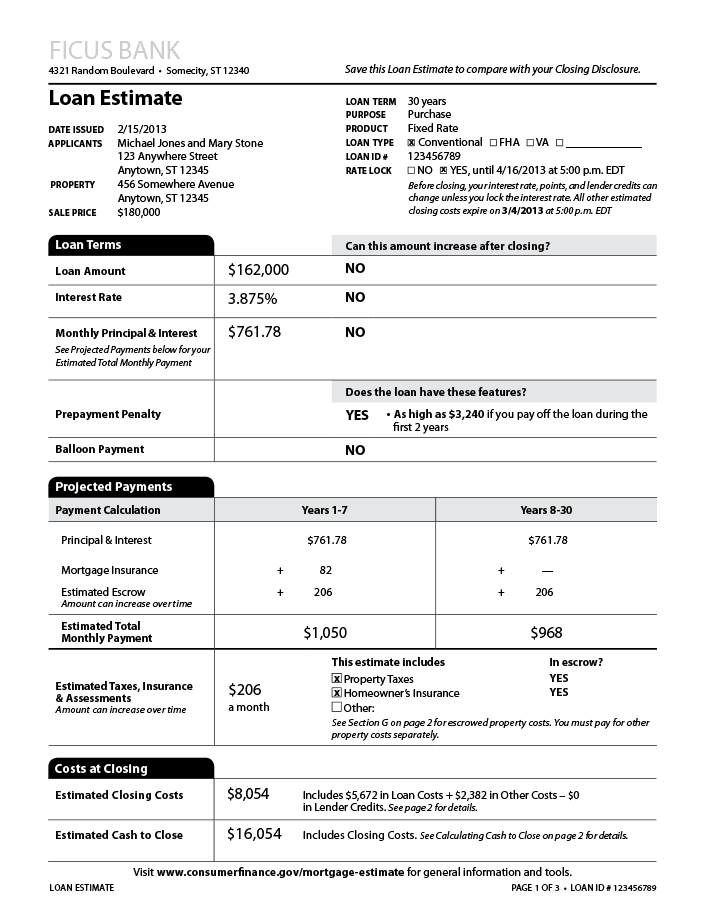
When you refinance, you are not just changing your rate. You are creating a brand-new loan.
That means:
-
New lender fees
-
New title and escrow costs
-
New prepaid interest and impounds
-
And most importantly, a new loan term
Even when a refinance is advertised as “no out-of-pocket,” the costs don’t disappear. They are rolled into the loan balance, which increases what you owe and extends how long you’re paying interest.
Monthly Payment vs. Long-Term Outcome
Most refinance pitches focus on one thing only:
“Look how much your payment drops.”
That’s the wrong metric.
A lower payment can come from:
-
Extending the loan back to 30 years
-
Adding fees to the balance
-
Slowing down how fast you build equity
You might save $300 a month and still pay more over the life of the loan.
A better refinance improves both:
-
Your short-term cash flow, and
-
Your long-term interest cost
If it doesn’t do both, it’s not an upgrade.
The Break-Even Rule That Actually Matters
Before refinancing, there is one critical question to answer:
How long does it take for the monthly savings to cover the cost of the refinance?
This is your break-even period.
As a general rule:
-
If it takes more than 2–3 years to break even, the refinance deserves serious scrutiny.
-
If you are likely to move, refinance again, or sell before that point, the math often does not work.
Shorter break-even = less risk.
Why Restarting a 30-Year Loan Is So Expensive
If you have already paid 7–10 years on your mortgage and restart a 30-year loan, you are doing two things:
-
Resetting the interest clock back to the most expensive years
-
Slowing your equity growth dramatically
This is where many homeowners get burned.
A smarter approach is often a term-matched refinance, where you keep roughly the same number of years remaining (for example, a 22- or 23-year term instead of restarting at 30).
You still get the rate benefit without undoing years of progress.
When a Refinance Does Make Sense
A refinance can be a strong move when it:
-
Breaks even within 24–36 months
-
Keeps your remaining loan term the same (or shorter)
-
Improves cash flow without inflating long-term interest
-
Helps you restructure debt strategically, not emotionally
Refinancing should be a financial optimization decision, not a reaction to headlines.
The Bottom Line
Lower payment does not equal better loan.
Lower rate does not equal better strategy.
The right refinance:
-
Has a clear break-even
-
Preserves or accelerates equity
-
Reduces total interest paid over time
Anything else is just rearranging the numbers.
If you are considering a refinance, the goal should never be “Can I get a lower rate?”
The real question is:
“Does this improve my financial position five, ten, and twenty years from now?”
That is the standard a refinance should be held to.