


Why Conservative Underwriting Is the Difference Between Making Money and Getting Burned
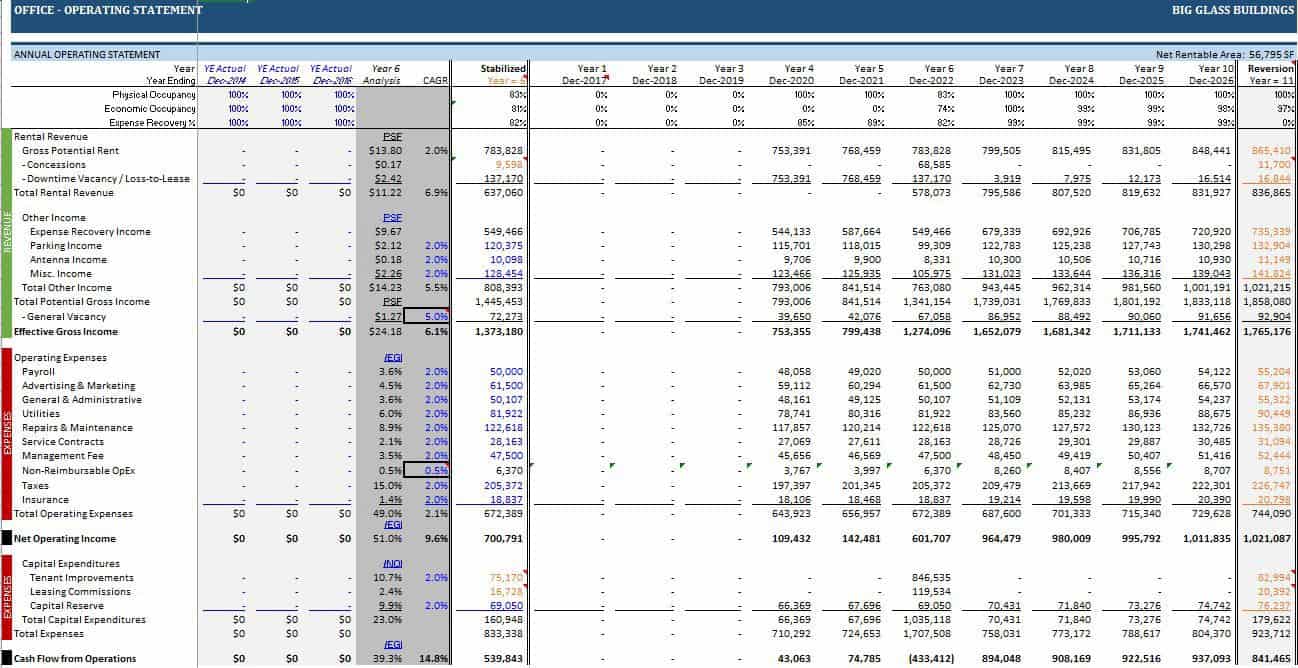


If you’ve been around real estate long enough, you already know this truth—deals don’t fail because of one big mistake. They fail because of a pile of small, optimistic assumptions.
Most investors don’t blow up on the purchase price.
They get crushed by the math they convinced themselves would work.
That’s where conservative underwriting separates professionals from gamblers.
The Problem With “Best-Case” Math
Every bad deal starts the same way:
-
ARV is pushed to the top of the comp range
-
Rehab is based on “last time” instead of this property
-
Timeline ignores real-world delays
-
Holding costs are rounded down
-
Exit costs are “close enough”
Individually, none of these kill the deal.
Together, they erase your margin.
When the market shifts, rates tick up, or contractors miss deadlines, there’s no buffer left. That’s when stress replaces strategy.
Conservative Underwriting Is Not Fear—It’s Control
Being conservative doesn’t mean you’re negative or scared.
It means you’re realistic.
Here’s what disciplined underwriting actually looks like:
-
ARV based on the middle of comps, not the highest sale
-
Rehab budgets padded for surprises
-
Timelines extended to account for permits, inspections, and labor
-
Holding costs calculated to the day, not the month
-
Exit costs assumed at full retail, not discounted
You’re not hoping the deal works.
You’re building it so it still works when things go sideways.
Margin Is the Only Thing That Protects You
Margin is what allows you to:
-
Absorb overruns
-
Hold longer if the market softens
-
Refinance instead of fire-selling
-
Sleep at night when surprises show up
Thin deals rely on perfect execution.
Strong deals survive imperfect reality.
If a deal only works when everything goes right, it doesn’t work.
Fewer Deals. Better Outcomes.
Here’s the part most people don’t like to hear:
Conservative underwriting means you will do fewer deals.
You’ll pass on opportunities others chase.
You’ll watch people “win” on Instagram.
And occasionally, you’ll feel like you’re being too cautious.
But over time, something important happens—you stay in the game.
Longevity in real estate isn’t built on hype or speed.
It’s built on discipline, structure, and repeatable math.
Final Thought
Real estate doesn’t reward optimism.
It rewards preparation.
Underwrite for reality.
Plan for friction.
Build margin into everything.
Because no deal ever failed from being too conservative—
but plenty have failed from being too aggressive.
If you want help pressure-testing deals or building underwriting frameworks that actually hold up, that’s where real operators separate themselves.